
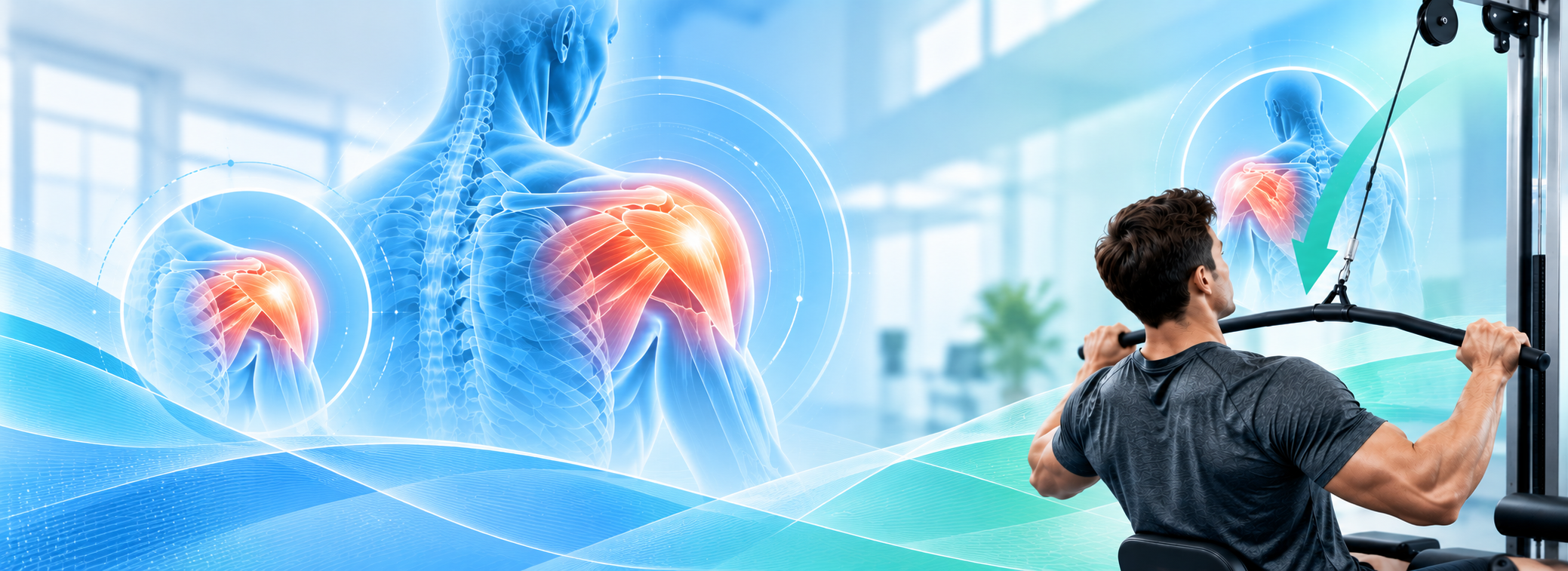
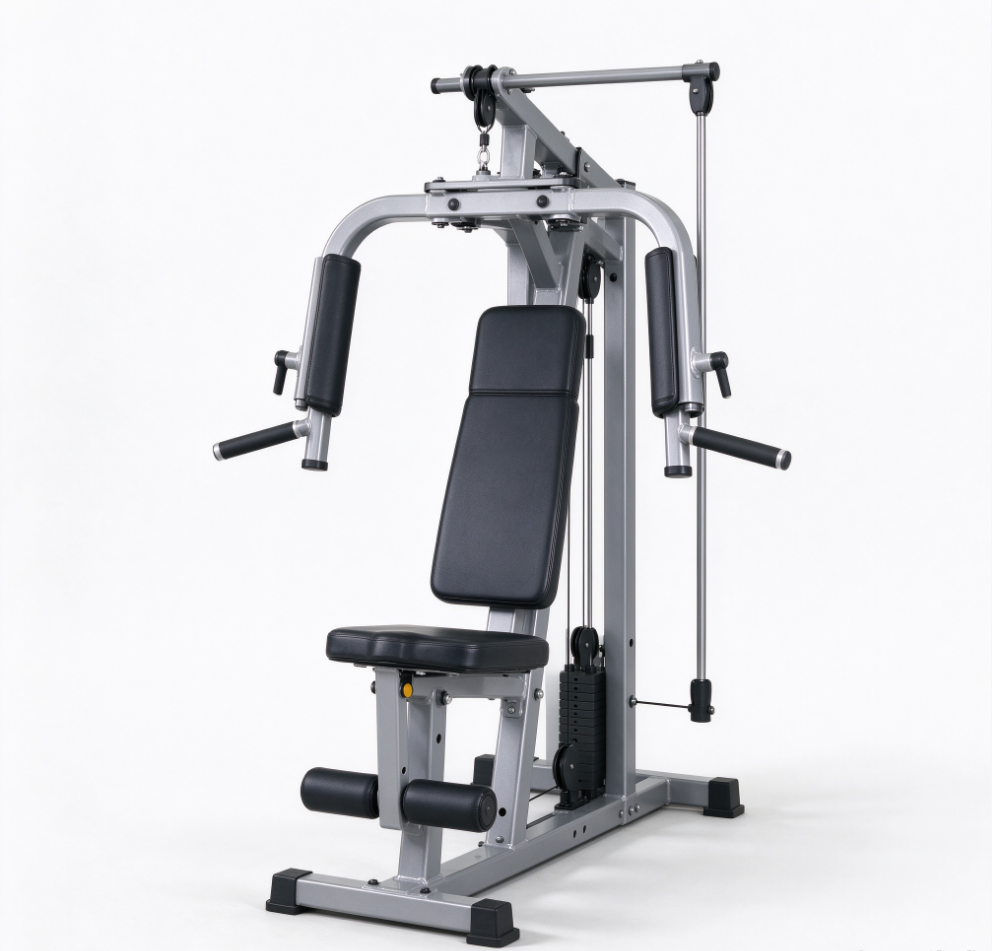
Why Choose FLS Shoulder Push-Up / Pull-Down Rehabilitation Training System?
Targeted Shoulder Push-Up and Pull-Down Training
Improved Shoulder and Upper Limb Muscle Strength
Enhanced Shoulder Mobility and Movement Control
Reliable Quality & Technical Support
Why Choose Folistech Shoulder Push-Up / Pull-Down Rehabilitation Training System?

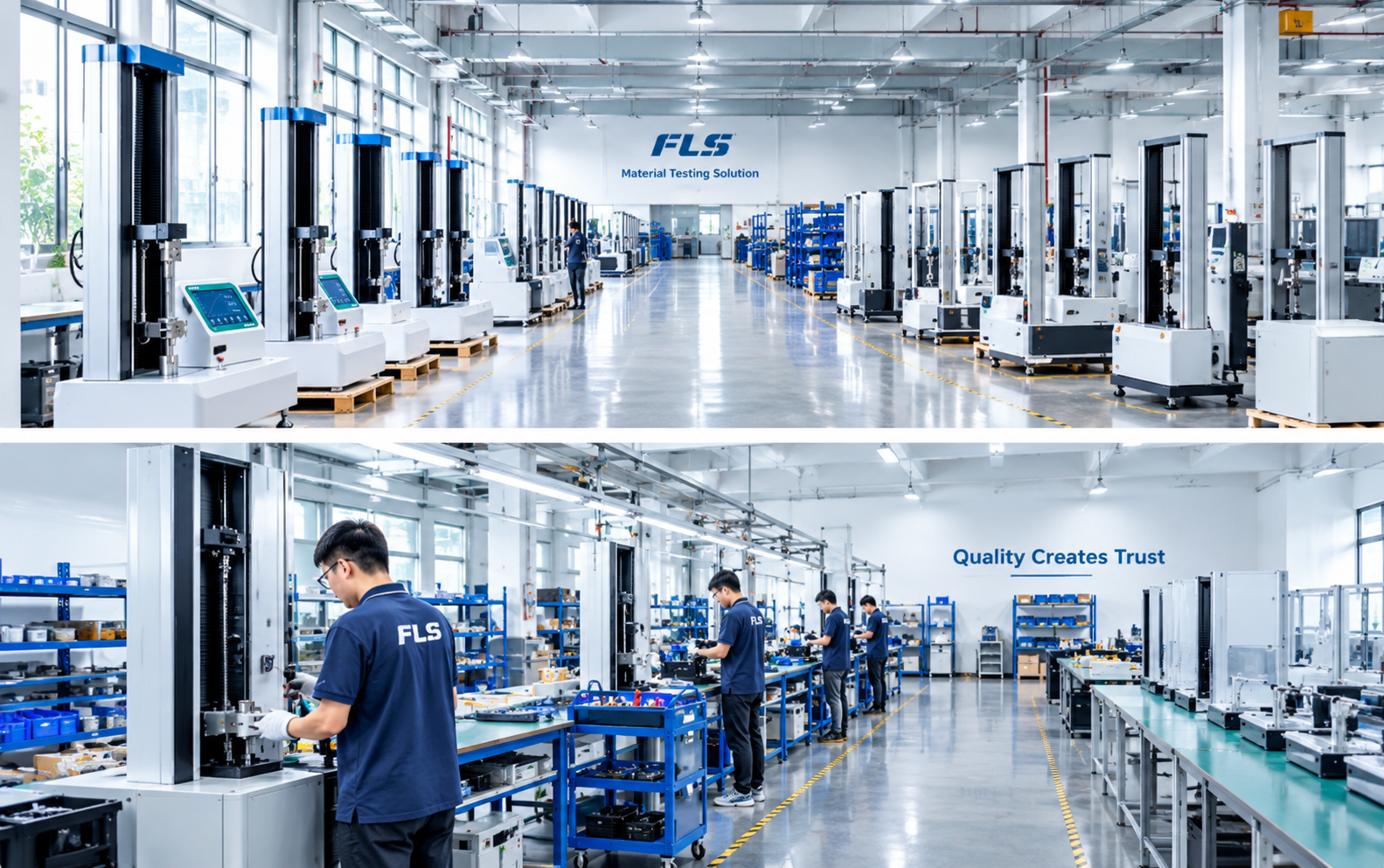
Folistech is a professional Medical & Rehabilitation Equipment Manufacturer specializing in rehabilitation training systems and physical therapy equipment, including the Shoulder Push-Up / Pull-Down Rehabilitation Training System for targeted shoulder muscle strengthening and upper limb functional rehabilitation.
Folistech implements strict quality control throughout production, including incoming material inspection (IQC), in-process inspection (IPQC), final inspection (FQC), and outgoing inspection (OQC). For the Shoulder Push-Up / Pull-Down Rehabilitation Training System, quality checks focus on structural stability, resistance adjustment, mechanical movement, operational performance, and packaging. We also provide equipment selection guidance, installation support, operation training, troubleshooting, and spare parts. Our after-sales service includes warranty support, repair assistance, response coordination, and spare parts delivery to help ensure reliable long-term operation in hospitals, clinics, and rehabilitation centers.
Applications of Folistech Medical & Rehabilitation Equipment
Supports physical therapy, muscle strengthening, joint mobility training, and functional rehabilitation in clinical settings.
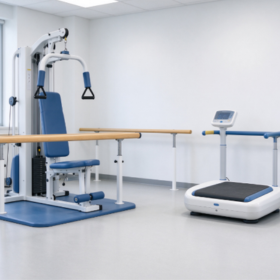
Provides equipment for structured rehabilitation training, muscle function exercises, and mobility improvement to support individual recovery programs.
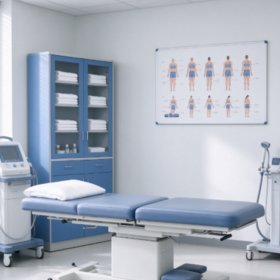
Supports targeted muscle training, joint movement exercises, and supervised physical therapy programs.
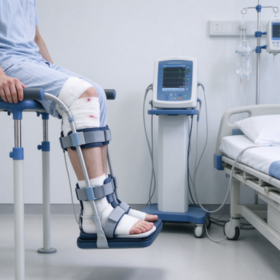
Supports progressive muscle strengthening, joint mobility exercises, and functional recovery following surgery under professional guidance.
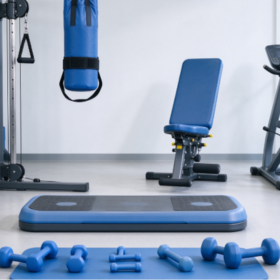
Suitable for muscle strengthening, physical conditioning, sports performance training, and rehabilitation following selected sports injuries.

Supports appropriate strength exercises, joint mobility training, and physical function maintenance for older adults.
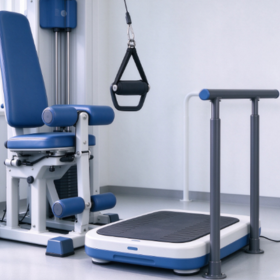
May support supervised muscle strengthening, movement control, and functional training for selected neurological rehabilitation programs, depending on equipment capabilities.
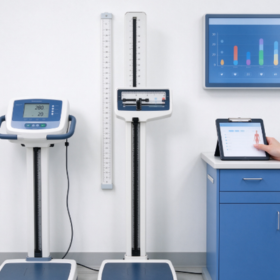
Supports body composition measurement and health assessment applications using compatible body impedance analyzers, depending on the model and its specifications.
- FLS-KF Shoulder Push-Up / Pull-Down Rehabilitation Training System
1. Mainstream Equipment and Technical Specifications
- Intelligent Resistance Shoulder Press Training System
Core Functions
Dual-Direction Resistance Training: Uses hydraulic or electromagnetic resistance to support vertical shoulder pressing, targeting the anterior and middle deltoids, as well as pulldown exercises that engage the latissimus dorsi and lower trapezius. Suitable for postoperative muscle strengthening and functional training, subject to clinical assessment.
Multi-Plane Movement: Supports multiple movement paths that simulate everyday overhead activities, such as lifting objects, helping improve shoulder stability and movement control.
Ergonomic Design: Equipped with an adjustable seat and shoulder stabilization straps to help align the movement axis with the scapular plane and reduce unwanted joint shear forces.
Technical Specifications
Resistance Range: 5–100 kg, continuously adjustable
Resistance Modes: Dynamic variable resistance, including a configurable mode that increases resistance by 20% during the eccentric phase
Shoulder Range of Motion: Flexion: 0°–180°; abduction: 0°–90°
Intelligent Feedback: Built-in EMG sensors monitor deltoid muscle activation in real time and generate training reports.
Applications: Orthopedic rehabilitation centers, sports medicine clinics, and professional strength and conditioning facilities
- Portable Shoulder Pulldown Rehabilitation Device
Key Technical Features
Resistance Bands and Pulley System: Interchangeable resistance bands with light, medium, and heavy resistance levels provide progressive resistance training to strengthen scapular depression and retraction.
Multi-Angle Support Frame: Supports seated, standing, and supine training positions, allowing exercise modifications for individuals with limited shoulder mobility.
Pain Alert System: Pressure sensors monitor subacromial pressure and automatically reduce resistance when preset thresholds are exceeded, if supported by the device configuration.
Potential Clinical Applications
Functional rehabilitation following rotator cuff surgery, including supraspinatus tendon repair
Improving shoulder joint mobility during the adhesive stage of frozen shoulder, as clinically appropriate
Scapular stabilization training for individuals who spend extended periods working at a desk
- Core Training Principles and Operating Guidelines
- Biomechanical Alignment and Movement Patterns
Shoulder Press
Starting Position: Grip the bar or handles at approximately shoulder width, bend the elbows to around 90°, and keep the back supported against the seat.
Movement Path: Press vertically upward toward the overhead position while maintaining core engagement and avoiding excessive lumbar extension.
Target Muscles: Anterior deltoids and the long head of the triceps.
Pulldown
Starting Position: Extend the arms overhead, position the palms facing forward where appropriate, and allow the shoulder blades to elevate naturally.
Movement Path: Pull downward while bringing the shoulder blades down and back, keeping the elbows close to the torso to engage the latissimus dorsi.
Target Muscles: Latissimus dorsi, lower trapezius, and rhomboids.
- Progressive Training Protocol
Acute Phase (0–4 Weeks Post-Surgery)
Use low resistance, generally no more than 10 kg, for passive or assisted movements when permitted by the surgeon or rehabilitation professional. Focus on restoring shoulder mobility within prescribed restrictions.
Movement Tempo: Approximately 4 seconds per repetition, consisting of 2 seconds for the concentric phase and 2 seconds for the eccentric phase.
Strengthening Phase (4–12 Weeks Post-Surgery)
Gradually increase resistance, potentially within the 10–30 kg range, according to recovery progress and clinical guidance.
Introduce compound movements, such as pressing combined with rotation, only when appropriate for the patient’s condition.
Incorporate isometric exercises, holding each contraction for approximately 10 seconds per set, to develop rotator cuff muscle endurance where indicated.
Functional Phase (After 12 Weeks Post-Surgery)
Introduce functional movements, such as throwing and lifting, according to recovery progress.
Use variable-resistance modes, where available, to develop neuromuscular control and functional strength.
- Breathing and Movement Tempo
Exhale During the Press: Coordinate exhalation with the upward pressing phase while maintaining core stability.
Inhale During the Pulldown Return Phase: Maintain controlled breathing while returning to the starting position.
Recommended Tempo: 1 second for the concentric phase, 1 second for peak contraction, and 2 seconds for the eccentric phase.
- Safety Precautions and Contraindications
- Contraindications and Precautions
Acute shoulder inflammation, such as an acute episode of bursitis
Severe loss of scapular control, such as uncorrected scapular winging
Osteoporosis, particularly when considering high-load overhead pressing exercises
Individuals with these conditions should undergo professional assessment before starting training.
- Safe Operating Guidelines
Resistance Selection
For postoperative patients, initial resistance should be determined by the treating clinician and the prescribed rehabilitation protocol rather than by body weight alone.
Avoid bilateral synchronized training when there is a substantial difference in strength between the two sides, unless specifically prescribed and supervised.
Joint Protection
During early postoperative rehabilitation, use a shoulder support or movement restriction only as directed by the treating clinician. Avoid shoulder abduction beyond 90° when such a restriction is prescribed.
Post-training ice application for 10–15 minutes may be considered when recommended by a healthcare professional, with appropriate skin protection.
- Complementary Interventions
Before Training
Perform gentle dynamic mobilization of the pectoralis minor, such as controlled self-release with a massage ball when appropriate.
Activate the serratus anterior with exercises such as quadruped scapular protraction, provided the movement is suitable for the individual’s condition.
After Training
– Perform a gentle posterior deltoid stretch by bringing one arm across the chest and holding for approximately 30 seconds per side, provided the movement is pain-free and clinically appropriate.
- Product Advantages and Target Users
Key Advantages
Precise Resistance Control: Hydraulic or electromagnetic resistance options accommodate different training stages, from assisted mobility exercises to higher-intensity strength and power training, depending on the system configuration.
Intelligent Safety Features: Pain alerts and automatic resistance reduction, where available, help support safer training.
Data-Driven Rehabilitation: EMG monitoring and movement trajectory analysis can help assess muscle activation and movement performance, supporting individualized rehabilitation planning.
Target Users
Postoperative Shoulder Rehabilitation Patients: Individuals recovering from rotator cuff repair or shoulder replacement, following medical guidance.
Individuals with Chronic Shoulder Pain: People with subacromial impingement syndrome or frozen shoulder, subject to professional assessment.
Sports and Fitness Enthusiasts: Individuals seeking to improve pressing strength, shoulder function, and exercise performance, while supporting injury prevention.
Testimoniais
“The Shoulder Push-Up / Pull-Down Rehabilitation Training System is a valuable addition to our rehabilitation programs. It supports targeted shoulder exercises and helps our team organize structured upper limb training sessions.”

“The equipment is easy to operate and fits well into our daily rehabilitation routines. It allows our rehabilitation professionals to incorporate shoulder push-up and pull-down exercises into individualized training plans.”

“We appreciate the sturdy construction and consistent operating performance of the system. It is a practical choice for our professional rehabilitation environment.”

“The system helps us incorporate focused shoulder and upper limb muscle strengthening exercises into rehabilitation programs. It supports our efforts to improve patients’ movement control and functional recovery.”

“Folistech provided helpful product information and technical guidance throughout the purchasing process. Their professional support gives our team greater confidence in equipment operation and routine maintenance.”

Resistance adjustment depends on the specific model. Where adjustable resistance is available, rehabilitation professionals can adapt exercise intensity to individual training needs and rehabilitation objectives.
It may be incorporated into selected post-operative rehabilitation programs when clinically appropriate. The timing, exercise type, and intensity should be determined by the treating healthcare professional.
Users should follow the manufacturer’s operating instructions, maintain correct posture, and avoid excessive or painful movements. Patients with recent shoulder surgery, acute injuries, or significant shoulder pain should seek professional medical advice before training.
Clean the equipment according to the manufacturer’s instructions and regularly inspect its structure, moving components, and adjustment mechanisms. Follow the recommended maintenance schedule to support safe and reliable operation.
Consider the intended patient population, rehabilitation objectives, available space, exercise functions, resistance options, safety features, and equipment specifications. Folistech can provide product selection guidance based on your facility’s requirements.