
This article explains in detail Total Organic Carbon (TOC), elaborating on the importance of TOC detection and its application industries. Furthermore, it provides a comprehensive overview of the measurement principles, analytical methods, and commonly used instruments for TOC detection.
1. What is Total Organic Carbon (TOC)?
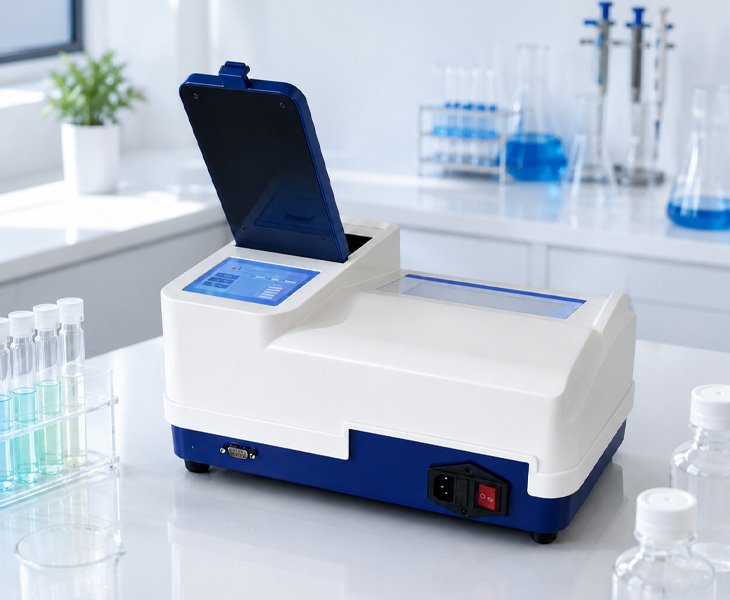
Total Organic Carbon (TOC) is a key indicator for the quality control of pharmaceutical water.
2. What is the principle of TOC determination?
Organic compounds in the water sample are oxidized and completely converted into carbon dioxide (CO₂); then the CO₂ concentration is quantitatively measured and converted to determine the total organic carbon content in the sample.
3.TOC Analysis Methods and Techniques
3.1 Persulfate Oxidation
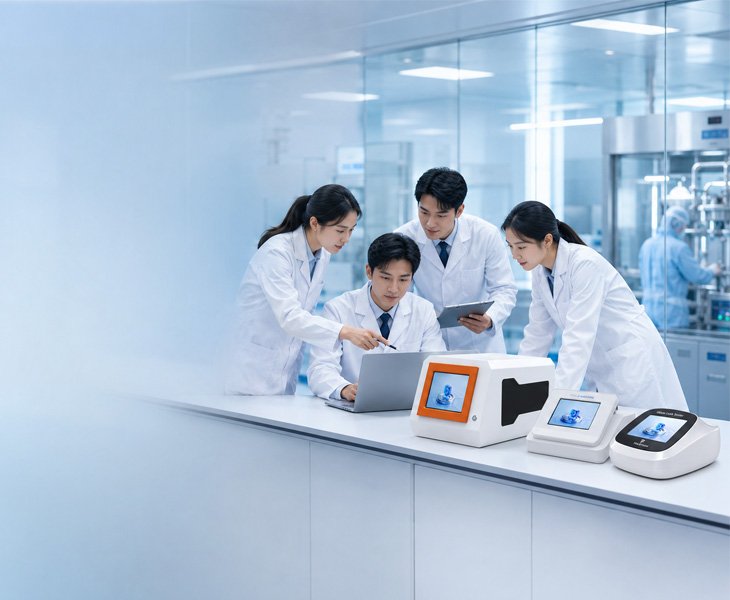
Principle: Ultraviolet light combines with a persulfate oxidant, breaking the chemical bonds in organic compounds at ambient temperature or relatively low temperatures, oxidizing them into carbon dioxide.
Applications: Ultrapure water, purified water (PW), water for injection (WFI), and low-concentration TOC (ppb level).
Features: Mild reaction conditions (no high temperature required), no carrier gas required, simple maintenance, and low consumable costs; ideal for online or laboratory testing of pharmaceutical-grade pure water.
3.2 High-Temperature Catalytic Combustion Oxidation
Principle: The sample is placed in a high-temperature furnace (680–950°C); under the action of a noble metal catalyst, all organic matter undergoes complete combustion and oxidation, converting entirely into CO₂.
Applications: In-situ cleaning (CIP) rinsing water, complex matrices, high-concentration organic samples, and samples containing macromolecular organic matter. Advantages: Strongest oxidation capacity; almost all organic compounds can be completely oxidized; suitable for cleaning and validating samples.
3.3 Non-Dispersive Infrared (NDIR) Detector
Principle: CO₂ absorbs infrared light of a specific wavelength; the infrared light source passes through the gas, and the detector measures the degree of light attenuation to calculate the CO₂ content.
Compatibility: NDIR can be coupled with the ultraviolet persulfate method or the high-temperature combustion oxidation method. Advantages: Wide measurement range, good stability, strong anti-interference ability; can measure high and low concentration samples; the mainstream choice in the pharmaceutical industry.
3.4 Membrane Conductivity Detection
Principle: Carbon dioxide enters pure water through a hydrophobic, permeable membrane, dissolves to form carbonic acid, leading to an increase in conductivity; Total Organic Carbon (TOC) is calculated based on the change in conductivity.
Compatibility: Almost exclusively used with UV persulfate oxidation systems. Advantages: Simple structure, rapid response, and compact size; widely used for online TOC monitoring in pure water.
3.5 NPOC Mode
3.5.1 Experimental Procedure:
First, the sample is acidified to pH < 2 to convert carbonates and bicarbonates (inorganic carbon, TIC) into CO₂. Then, the sample is purged with an inert gas to remove inorganic CO₂ and volatile organic carbon (POC). The remaining non-purged organic carbon is then oxidized and measured; the result is non-volatile organic carbon (NPOC). 1.2 Application Scenarios:
For testing pharmaceutical-grade purified water (PW) and water for injection (WFI), pure water systems, drinking water, and most process water with low volatile organic compound (VOC) content.
3.5.2 TC-IC Difference Method
Total carbon (TC) and inorganic carbon (IC) are measured separately; TOC = TC − IC.
4. Purgeable Organic Carbon (POC)
Volatile organic carbon. Its content in pharmaceutical-grade water is extremely low, therefore it is rarely measured separately and is mainly used for environmental water sample analysis.
4.1 Significance/Application of TOC Testing in Key Industries
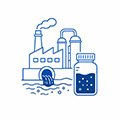

1. Pharmaceutical Industry: Total organic carbon (TOC) testing is a mandatory requirement for the validation of purified water (PW), water for injection (WFI), and clean-in-situ (CIP). The pharmacopoeia requires TOC testing to monitor organic impurities in water, confirm the absence of residual active pharmaceutical ingredients (APIs) or excipients after cleaning, ensure drug safety, and comply with GMP and USP<643> standards.
2. Semiconductor Industry: Ultrapure water is used in chip manufacturing; trace organic contaminants can lead to wafer defects and reduced yield. Online total organic carbon (TOC) monitoring allows for continuous control of ultrapure water quality, preventing organic contamination of chips.
3. Medical Device Industry: Used for cleaning validation of disposable consumables and implantable medical devices. TOC serves as an objective indicator to validate cleaning processes and confirm that organic residues on product surfaces meet relevant standards.
4. Food and Beverage Industry: TOC monitoring of process water and ingredient water can control organic content, inhibit microbial growth, and maintain beverage flavor and product shelf life.
5. Environmental Protection/Water Treatment Industry: Water quality monitoring of wastewater, reclaimed water, and purified water treatment plants. Assessing the level of organic contamination and the effectiveness of treatment processes. Total organic carbon (TOC) testing also allows for critical control before wastewater discharge, preventing pollution of downstream ecosystems.
5. Commonly Used TOC Testing Instruments
5.1 Offline TOC Analyzer
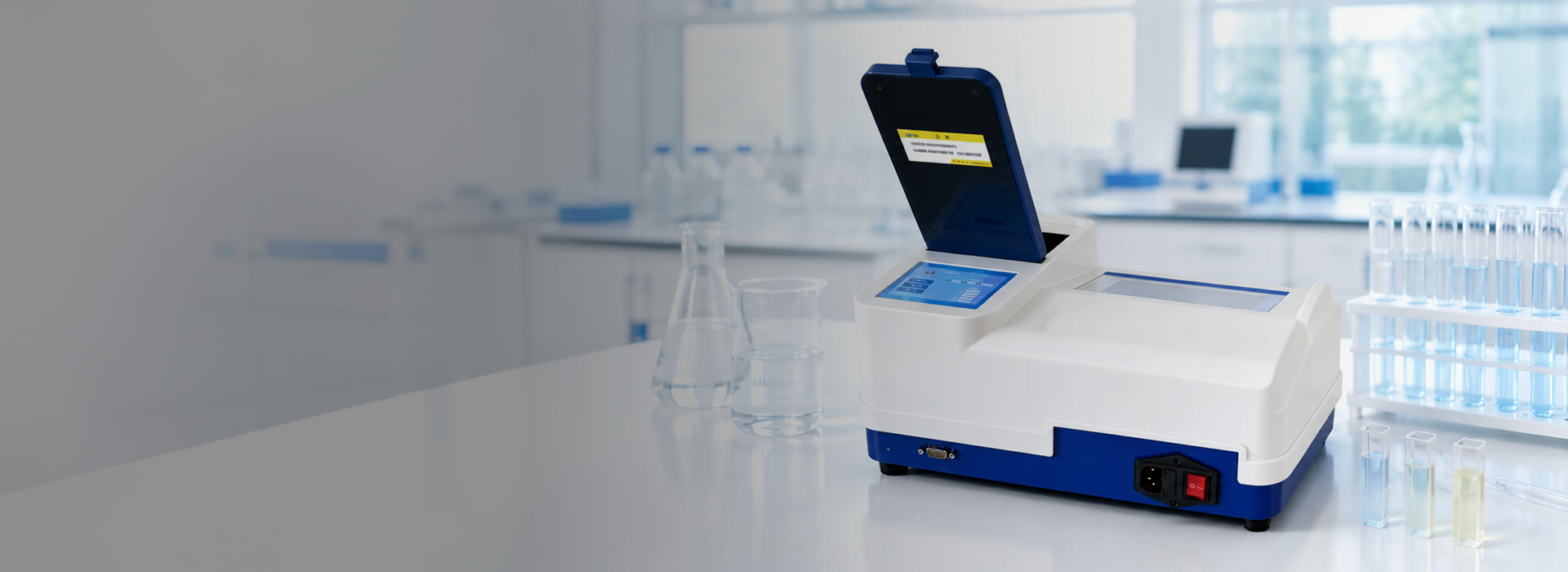
This testing method involves manual sampling on-site, with the collected samples manually imported into the testing process. This method is flexible, can be adjusted according to specific needs, and supports batch processing of multiple samples to save time. Furthermore, this method has a lower initial investment, making it suitable for projects with strict cost control.
5.2 Online TOC Analyzer
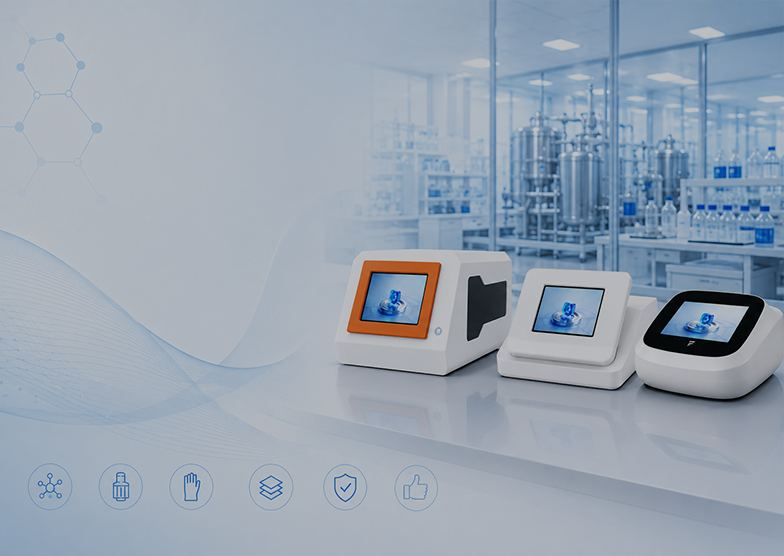
This testing method involves direct installation in the pharmaceutical water pipeline loop, enabling 24-hour uninterrupted monitoring and water sample collection. Once the total organic carbon (TOC) content exceeds the standard, the system will immediately issue an alarm, quickly detecting water quality anomalies and preventing substandard water from entering the production process. The system features real-time alarm and unattended operation capabilities, reducing manual operation; in addition, the automatic data recording function ensures compliance with GMP and 21 CFR Part 11 data integrity requirements, facilitating auditing and improving operational convenience.
Conclusion
By now, you should have a comprehensive understanding of TOC—from measurement principles and analytical methods to industry applications and instrument selection.
Guangdong Fulis Technology Co., Ltd. specializes in the research and development and production of Total Organic Carbon (TOC) analyzers, glove leak testers, filter integrity testers, high-voltage breakdown testers, and other analytical instruments. Our products comply with international standards such as USP <643>, FDA 21 CFR Part 11, CE, and ISO. We also offer customized solutions, fast delivery, and highly competitive prices to meet the needs of global customers. If you have any technical questions or require customized TOC analysis solutions, our engineering team is ready to assist you.
Frequently Asked Questions
1. How to purify ultrapure water with a δ¹⁵⁺ content below 0.5 ppb?
Methods to reduce high TOC levels include advanced oxidation, activated carbon adsorption, ion exchange, reverse osmosis, and combined physicochemical treatment processes.
2. Total Carbon (TC) – the sum of all carbon atoms in a sample – what are the different categories?
Total Carbon (TC) = Total Inorganic Carbon (TIC) + Total Organic Carbon (TOC). TOC can be further divided into purgeable organic carbon (POC) and non-purgeable organic carbon (NPOC).
3. What determines the chemical form of inorganic carbon?
pH value determines the chemical form of inorganic carbon.
4. What is the acceptable level of TOC in drinking water?
Typical TOC value for qualified tap water: 0.5 ~ 2 mg/L.
5. Is TOC affected by temperature?
Temperature does not change the true total organic carbon (TOC) concentration in a water sample, but it indirectly affects the TOC test reading.